Our experts provide commentary on public opinion, national security, US foreign policy, international issues, and Chicago's global connections and news.
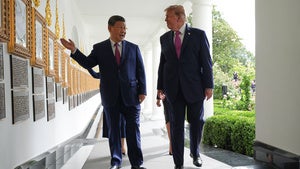
Prospects for positive breakthroughs and stabilization of the US-China relationship will remain limited as long as the two sides are focused more on maneuvering for advantage than on working to define the concept.
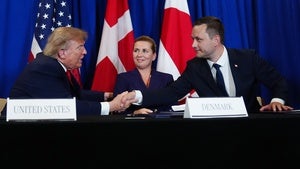
Julianne Smith, Deborah Rosenblum, and Ariane Tabatabai discuss how the US-Denmark-Greenland agreement will impact US force posture, intra-NATO tensions, and Trump’s push to acquire Greenland.
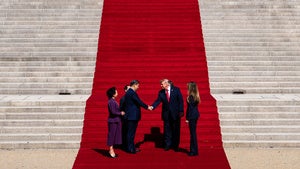
Reports that Xi will forgo addressing the United Nations General Assembly ahead of his meeting with Trump in Washington raise uncomfortable questions about the role of multilateral institutions under great power compacts.
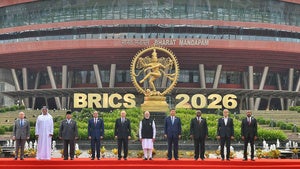
As the midterm elections approach, the Trump administration has realized its strategy isn’t working. Will economic measures succeed where military operations failed?
The Council’s founders believed that the United States should have a positive vision for international engagement—and that the Midwest had a critical role to play.