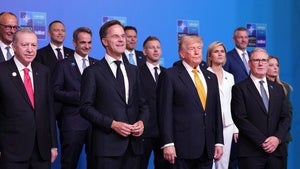
"At a moment when Europe is focused on persuading Donald Trump to remain committed to NATO, it needs to convince Americans, too," Council President and CEO Leslie Vinjamuri writes.
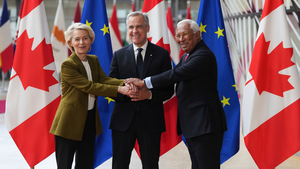
In this episode of the Fourcast, Leslie Vinjamuri joins to discuss what Canada’s closer ties with the EU could mean—from tighter trade and defense to what Mark Carney calls 'a beacon for other democracies.'
As the US pulls back from parts of its traditional role abroad, allies and middle powers are rethinking their relationships. Journalist Ishaan Tharoor explains what that could mean for the future of the international order.
The US and China may not want a war, but could they end up in one anyway? International relations historian Odd Arne Westad explains why he sees echoes of the years before World War I and the “warning” they hold for today.
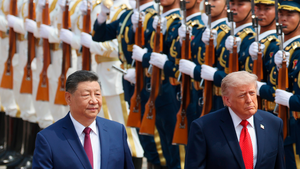
Reports that Xi will forgo addressing the United Nations General Assembly ahead of his meeting with Trump in Washington raise uncomfortable questions about the role of multilateral institutions under great power compacts.
The Council’s founders believed that the United States should have a positive vision for international engagement—and that the Midwest had a critical role to play.
"There are concrete steps that internationalist nations can take to staunch the erosion of global norms and set the stage for a stronger future," Council Lester Crown Senior Nonresident Fellow Suzanne Nossel writes.
Britain's new prime minister inherits an economy that has struggled to grow for years, with less room to maneuver in an increasingly competitive world. Financial Times columnist Gillian Tett explains what's holding Britain back and what it will take to get growth moving again.
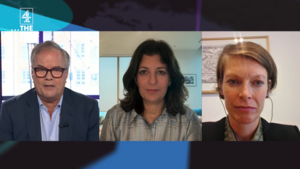
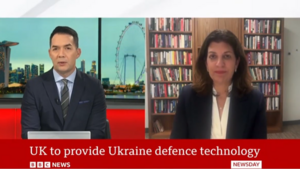
"This meeting really moves the needle in a very serious way [and] makes it clear that he is prepared to be a statesperson on the biggest issues of war and peace," Council President and CEO Leslie Vinjamuri tells BBC News.