Is Competition without Conflict Possible? Mapping the Views of Chinese and Americans on Foreign Policy Issues
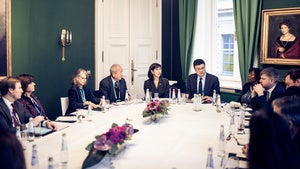
About This Event
Constraints on researchers studying China have made reliable knowledge of Chinese public opinion rare. This poses significant challenges for policy professionals and peace advocates seeking durable solutions to tensions in the world's most important bilateral relationship—that between the United States and China.
As the gap between public opinion and policymaking widens, this session will provide rare, evidence-based insight into Chinese and American perspectives on international security, trade relations, and China's global role. The Chicago Council on Global Affairs and The Carter Center will share results from their recent surveys examining these attitudes, joined by faculty from Tsinghua University's Center for International Security and Strategy to share local perspectives.
These surveys reveal a Chinese public highly confident in their country's power status, with notable divisions over whether Beijing should pursue dominance or embrace shared leadership. By comparison, the American public is much more divided on the US role.
This dialogue offers Munich Security Conference participants rare insight into Chinese public sentiment during a period of limited US-China exchange. A moderator will guide this conversation around the research-based implications for global security.
Note: This roundtable side event will take place at the Munich Security Conference, in-person only, from 3:30 to 5:00 p.m. CET.





Related Content
 Public Opinion
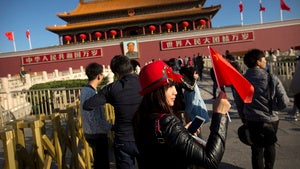
New polling from the Chicago Council on Global Affairs and The Carter Center offers a rare window into how Chinese citizens view China's global role and foreign policy.
 US Foreign Policy
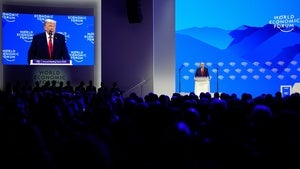
At Davos, Martin Wolf and Sir Robin Niblett say the Greenland debacle exposed Europe's red line. Has the transatlantic relationship reached a turning point?
 Global Politics
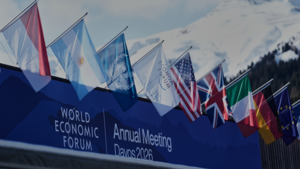
News that the World Economic Forum may come down from the mountain is symbolic of the end of an era but also signals the beginning of new thinking about internationalism. In Davos, Trump, Carney, and Zelenskyy offered competing visions for the future international order.
 Public Opinion
Majorities also oppose using US troops to overthrow governments in Cuba or Colombia, occupy Venezuela, and gain access to the natural resources of other countries.