Armida van Rij, Evan Medeiros, Ariane Tabatabai, and Leslie Vinjamuri discuss what is at stake for US foreign policy and the world in the upcoming midterm elections.
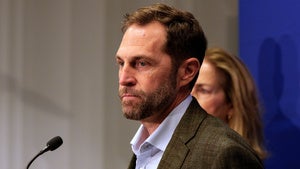
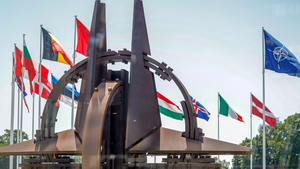
A panel of transatlantic security experts moderated by Leslie Vinjamuri discuss the upcoming US midterms and how they could shape NATO at this Warsaw Security Forum side event.
John Lapinski, Dina Smeltz, and Asma Khalid unpack what the results of the 2026 Chicago Council survey tell us about Americans’ foreign policy priorities heading into the midterms.
"Civic pluralism offers an entry point to repair relationships, restore credibility, and demonstrate Washington’s readiness to help the world tackle common challenges," Council Lester Crown Senior Nonresident Fellow Suzanne Nossel writes in Foreign Policy.
Prospects for positive breakthroughs and stabilization of the US-China relationship will remain limited as long as the two sides are focused more on maneuvering for advantage than on working to define the concept.





Commentary
How the United States Can Once Again Lead on Human Rights
"Civic pluralism offers an entry point to repair relationships, restore credibility, and demonstrate Washington’s readiness to help the world tackle common challenges," Council Lester Crown Senior Nonresident Fellow Suzanne Nossel writes in Foreign Policy.
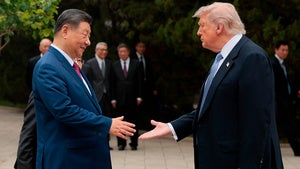
Trump and Xi Agree on "Constructive Strategic Stability," But Differ on What It Means
Prospects for positive breakthroughs and stabilization of the US-China relationship will remain limited as long as the two sides are focused more on maneuvering for advantage than on working to define the concept.