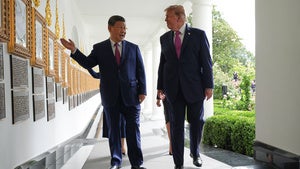
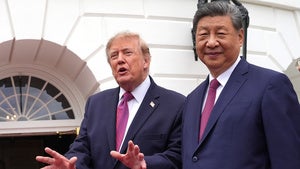
Prospects for positive breakthroughs and stabilization of the US-China relationship will remain limited as long as the two sides are focused more on maneuvering for advantage than on working to define the concept.
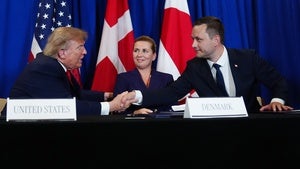
Julianne Smith, Deborah Rosenblum, and Ariane Tabatabai discuss how the US-Denmark-Greenland agreement will impact US force posture, intra-NATO tensions, and Trump’s push to acquire Greenland.
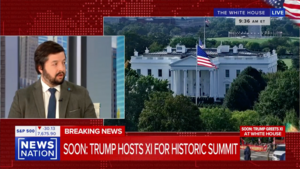
"Trump is clearly interested in pursuing a good relationship with President Xi," Council Director of Public Opinion and Foreign Policy Craig Kafura tells NewsNation. "Now it's up to the working levels to see if they can make some of that top-down blessing produce real fruit."
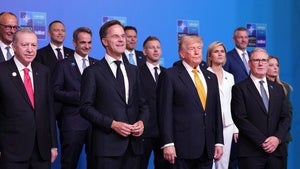
Key European leaders are sounding the alarm over Russian aggression, warning that Vladimir Putin is planning attacks aimed at testing NATO’s security alliance. Compass Points moderator Nick Schifrin discusses those concerns with the Council's Julianne Smith and other experts.
"At a moment when Europe is focused on persuading Donald Trump to remain committed to NATO, it needs to convince Americans, too," Council President and CEO Leslie Vinjamuri writes.
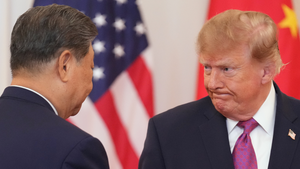
"Trump’s approach to China lacks coherence, consistency, and consensus within his administration on what strategy and policies to follow," Council Senior Nonresident Fellow Paul Heer writes.