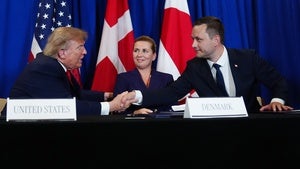
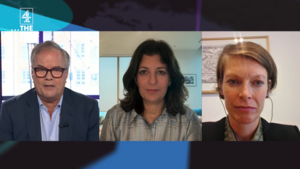
Julianne Smith, Deborah Rosenblum, and Ariane Tabatabai discuss how the US-Denmark-Greenland agreement will impact US force posture, intra-NATO tensions, and Trump’s push to acquire Greenland.
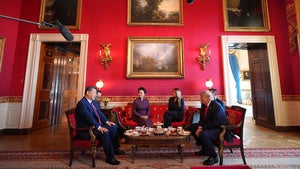
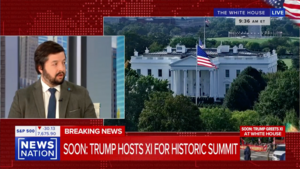
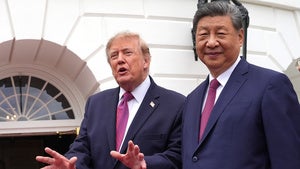
"Trump is clearly interested in pursuing a good relationship with President Xi," Council Director of Public Opinion and Foreign Policy Craig Kafura tells NewsNation. "Now it's up to the working levels to see if they can make some of that top-down blessing produce real fruit."
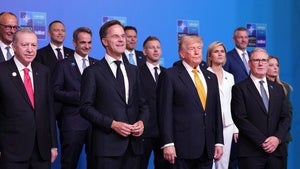
"At a moment when Europe is focused on persuading Donald Trump to remain committed to NATO, it needs to convince Americans, too," Council President and CEO Leslie Vinjamuri writes.
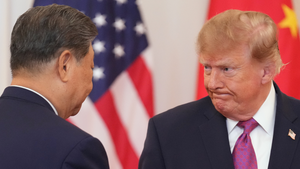
"Trump’s approach to China lacks coherence, consistency, and consensus within his administration on what strategy and policies to follow," Council Senior Nonresident Fellow Paul Heer writes.
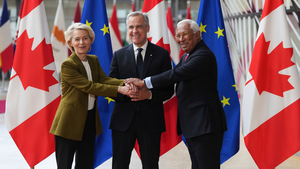
In this episode of the Fourcast, Leslie Vinjamuri joins to discuss what Canada’s closer ties with the EU could mean—from tighter trade and defense to what Mark Carney calls 'a beacon for other democracies.'
As the US pulls back from parts of its traditional role abroad, allies and middle powers are rethinking their relationships. Journalist Ishaan Tharoor explains what that could mean for the future of the international order.