Dan Drezner, Bruce Jentleson, Leslie Vinjamuri, and Ariane Tabatabai unpack what the midterms really tell us about where Americans stand and how to navigate these results.
Sergey Radchenko, Deborah Rosenblum, and Ariane Tabatabai explore how the world can manage biological and nuclear risks amid deepening geopolitical divisions.
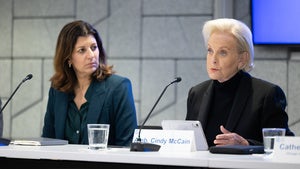
Former UN World Food Programme Executive Director Cindy McCain joins Council Distinguished Fellow Catherine Bertini for a special roundtable on leadership and food security.
Brad Henderson and Kath Hicks join Council corporate partners for a debrief on the Global Quantum Forum and what comes next for the technology reshaping innovation and geopolitics.
The US has spent decades using economic weapons against its adversaries. Now China, Iran, and even the European Union are adopting similar tactics. Could America be fueling a global economic arms race? Georgetown professor Abraham Newman explains.
Journalist Steve Clemons predicts Democrats could benefit from a backlash to the war in Iran. But he warns that a Democratic Congress could lead to “several waves of constitutional crises.” What would that mean for Trump's foreign policy?
Younger Americans see globalization and free trade not as threats to their jobs, but assets to improve their standard of living and reduce the cost of goods.






Commentary
Has America Started a Global Economic Arms Race?
The US has spent decades using economic weapons against its adversaries. Now China, Iran, and even the European Union are adopting similar tactics. Could America be fueling a global economic arms race? Georgetown professor Abraham Newman explains.
Could the Midterms Change Trump's Foreign Policy?
Journalist Steve Clemons predicts Democrats could benefit from a backlash to the war in Iran. But he warns that a Democratic Congress could lead to “several waves of constitutional crises.” What would that mean for Trump's foreign policy?