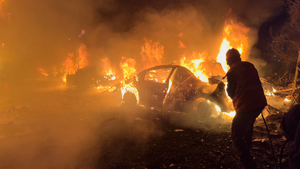
“I had never seen the Middle East as chaotic, as dangerous, as spiraling out of control as it is today.” Fawaz Gerges on why he believes the region is entering a much more dangerous phase.
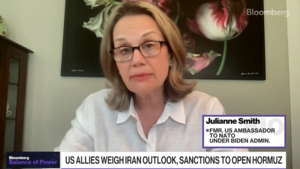
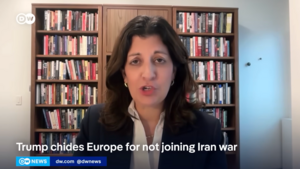
" Even talking about the US formally leaving or just slowly disengaging sends a very dangerous signal to Moscow," Council Distinguished Nonresident Fellow Ambassador Julianne Smith said of President Trump's remarks about withdrawing from NATO.
"This is an intervention, a war, a conflict that the US began," says Council Distinguished Nonresident Fellow Ambassador Julianne Smith. "It did not take any information about this intervention to the NATO allies to warn them that there could be asks coming from the United States."
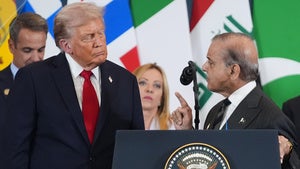
Thinking about Pakistan as a South Asian power misses the fact that it has regional connections to the Middle East—and global power connections it can leverage.
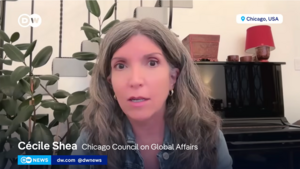
“It’s the transportation of the things that you buy, the production of the things that you buy, and the ingredients of the things that you buy,” says Council Nonresident Senior Fellow Cécile Shea.
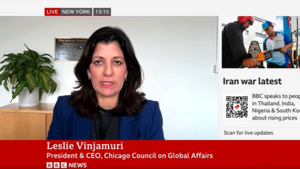
"This is a very deeply unpopular war," Council President and CEO Leslie Vinjamuri says of the widening Iran conflict. "If we see boots on the ground, if we see high-risk operations undertaken, I think that will really galvanize Congress and the American public."
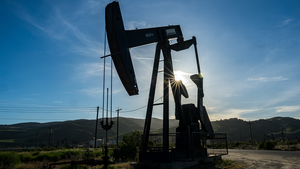
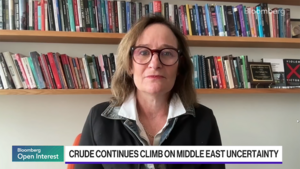
"What we're seeing, of course, is that the global economy runs on energy, and a significant shock like this will move through the system for years to come," Council Senior Nonresident Fellow Rachel Bronson tells Bloomberg Open Interest.
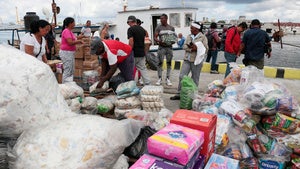
The global response to Cuba’s worsening humanitarian plight reveals a growing divide over whether limiting access to food and energy is an acceptable form of leverage or if there is a shared international responsibility for humanitarian intervention.