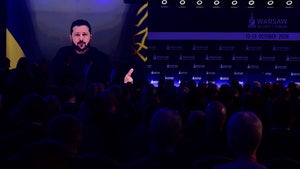
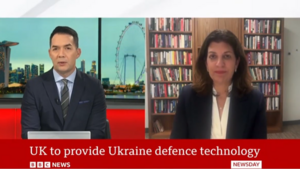
"Europe needs a public diplomacy campaign, and the target of that campaign needs to be the American public," Council President and CEO Leslie Vinjamuri says.
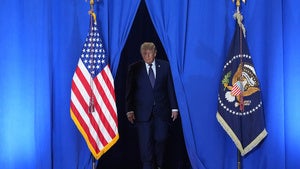
Council Distinguished Nonresident Fellow Ambassador Julianne Smith notes that the US should review its European force posture based on security needs—not allies’ political loyalty—to protect NATO, deter Russia, and preserve readiness.
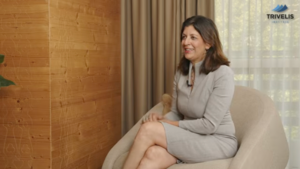
Britain's new prime minister inherits an economy that has struggled to grow for years, with less room to maneuver in an increasingly competitive world. Financial Times columnist Gillian Tett explains what's holding Britain back and what it will take to get growth moving again.
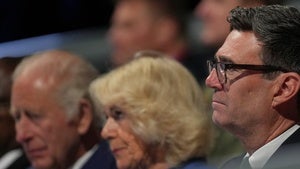
"This meeting really moves the needle in a very serious way [and] makes it clear that he is prepared to be a statesperson on the biggest issues of war and peace," Council President and CEO Leslie Vinjamuri tells BBC News.
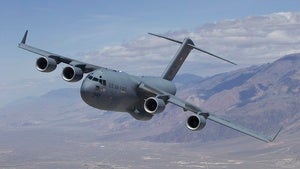
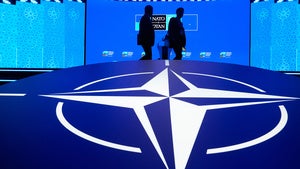
North American and European industry representatives met in Ankara to discuss how to enhance the alliance’s capabilities through increased production, cooperation, and joint procurement.
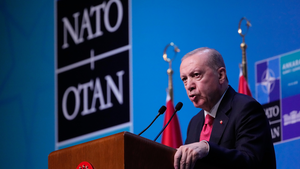
As NATO adapts to wars in Europe and the Middle East, Turkey is becoming harder to ignore. Aslı Aydıntaşbaş explains how Turkey is balancing its alliances, expanding its influence, and positioning itself as a middle power.