In another bid to force Iran to succumb to his will, Trump has launched Operation Economic Outcast against Iran—but is it America that is becoming the international pariah? Council President and CEO Leslie Vinjamuri joins the discussion.
The world's biggest geopolitical battles aren't fought with military force alone. Edward Fishman explains how everything from shipping lanes to the US dollar has become a source of strategic power.
What does China want from the global economy? As leaders gather for this year's Summer Davos meeting, The Economist's Simon Rabinovitch explains what Beijing is trying to achieve and why the world is paying attention.
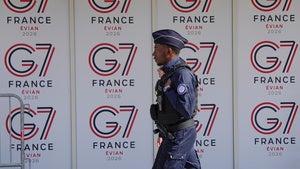
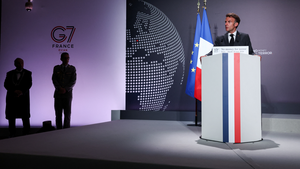
Despite geopolitical turmoil, France is using the G7 to ensure Europe remains relevant as the United States and China pursue further bilateral diplomacy.
As the G7 prepares to meet, economic security is becoming harder to ignore. Mathieu Duchâtel explains what's behind the push to make supply chains more resilient and where the biggest challenges remain.
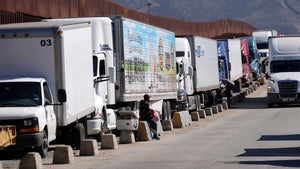
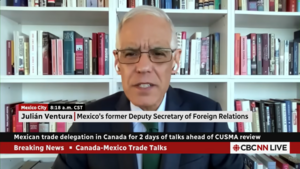
"It's an important sign of political commitment to follow through with the Canada-Mexico Action Plan . . . to take meaningful steps to growing the bilateral economic relationship," says Council Distinguished Nonresident Fellow Julián Ventura.
The Iran war may have been the catalyst, but the UAE’s decision to leave the oil cartel is the culmination of years of geopolitical divergence with Saudi Arabia.
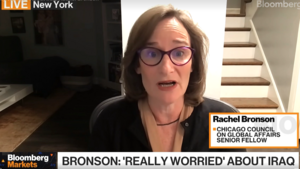
"Iraq is so dependent on their exports leaving the Persian Gulf," says Council Lester Crown Senior Nonresident Fellow Rachel Bronson. "I am really worried about unintended consequences."