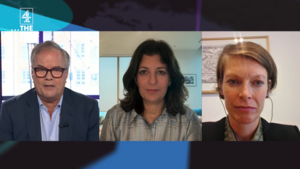
In this episode of the Fourcast, Leslie Vinjamuri joins to discuss what Canada’s closer ties with the EU could mean—from tighter trade and defense to what Mark Carney calls 'a beacon for other democracies.'
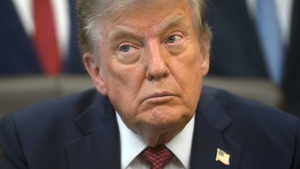
As the midterm elections approach, the Trump administration has realized its strategy isn’t working. Will economic measures succeed where military operations failed?
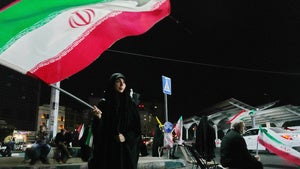
In another bid to force Iran to succumb to his will, Trump has launched Operation Economic Outcast against Iran—but is it America that is becoming the international pariah? Council President and CEO Leslie Vinjamuri joins the discussion.
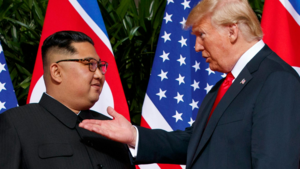
Vice President of Research for Geostrategy and Diplomacy Raymond Kuo asks, “If you’re not even willing to do an exercise with a country you’re formally allied to, are you going to show up when North Korea starts firing missiles at South Koreans?”
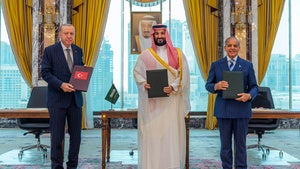
"[President Trump is] essentially taking Oman and lashing out at them because of the fact that he is unable to close out this war," Council Vice President of Research on Security and Defense Ariane Tabatabai shares on The Daily Blast podcast.
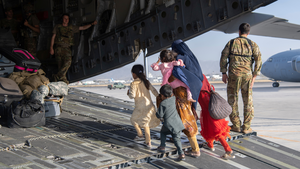
America’s war in Afghanistan may have ended, but its consequences still remain. Ambassador Ryan Crocker unpacks what the US withdrawal told allies and adversaries about American power.
"I think President Trump had overestimated how much he could achieve militarily. And I think Iran might now be overestimating what it can achieve diplomatically based on the cycle that we're in," Council Vice President of Research for Security and Defense Ariane Tabatabai tells NPR.