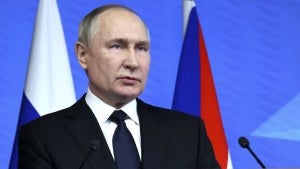
While the public thinks Putin’s foreign policies have improved Moscow’s international influence and the state of the Russian military, fewer now say they have boosted their country’s image abroad.
Most believe Russia should continue to pursue an independent foreign policy despite the sanctions, which are attributed to the West’s hostility and misunderstanding of the situation in Ukraine.
Despite President-elect Donald Trump’s aversion to alliances, foreign policy professionals across the American political spectrum believe they greatly benefit the United States.
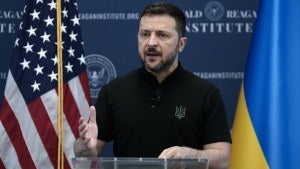
While opinion leaders across party lines—as well as Democrats and Independents among the public—support continued assistance to Kyiv, everyday Republicans stand out in their opposition.