Rachel Bronson explains how the deal's uranium enrichment terms and apparent bypass of IAEA oversight break from past US nuclear agreements—and what precedent that sets.
"Ultimately, I don't think that either the United States or Iran wants to return to March, when we had large-scale operations," says Council Vice President of Research for Security and Defense Ariane Tabatabai. "And so this, in my mind, is the new steady state for the foreseeable future."
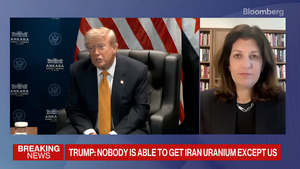
Council President and CEO Leslie Vinjamuri joined Bloomberg Open Interest to explain why President Trump's latest Iran threats are aimed at gaining negotiating leverage rather than launching a full-scale war.
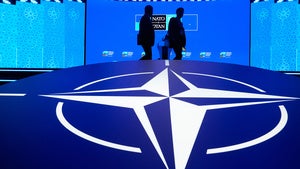
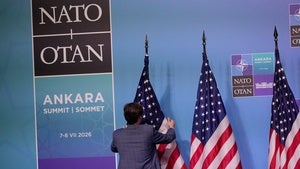
From Turkey's F-35 ambitions to Zelenskyy's meeting with Trump, Council expert Ariane Tabatabai unpacks how burden sharing, Ukraine's evolving role, and unresolved tensions over Iran shaped this year's summit.
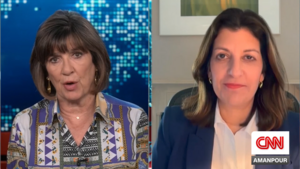
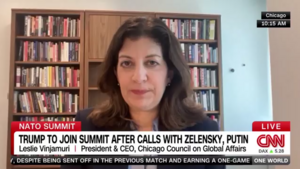
"Having that provocation on the eve of the NATO summit could lead President Trump to do what he should do, which is to double down on NATO's demonstration of unity," Council President and CEO Leslie Vinjamuri argues on CNN. "I mean, after all, this is this is a summit."