The New Iran War: Implications at Home and Abroad
 Play Video
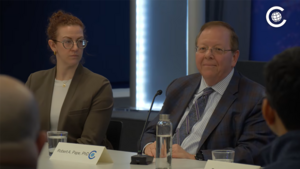
Recent strikes involving Israel, the United States, and Iran seem to be escalating toward a wider regional war – and they also renew questions about the role of military force in American strategy. Air campaigns, covert operations, and emerging technologies like drones are increasingly central to modern conflict, but their ability to achieve political objectives remains contested. Can military pressure compel US adversaries like Iran to change course, or does it risk deepening escalation? At the same time, conflicts abroad reverberate at home. Heightened security concerns, potential retaliation, and domestic political pressures can blur the line between foreign policy and homeland security. How does reliance on hard power shape public trust, civil liberties, and democratic norms while signaling strength overseas? University of Chicago Professor of Political Science Robert Pape joined the 2026 cohort of Emerging Leaders for a roundtable examining the tradeoffs inherent in deploying force and exploring the limits of military power in shaping political outcomes.