Could Brazil's Election Push It Closer to the US?
 Play Podcast
About The Episode
As Brazil heads into an essentially tied presidential election, award-winning journalist Patrícia Campos Mello explains what’s driving voters, how President Lula and Senator Bolsonaro offer very different visions for the country’s place in the world, and what the outcome could mean for its relationships with the United States and China. Plus, why even a Trump-aligned government may find it difficult to pull away from China.
Key Takeaways
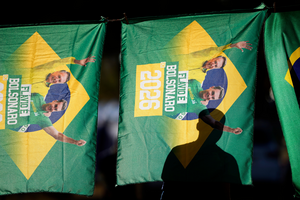
- As Brazil nears its October 4th election, incumbent President Lula’s has lost his once clear advantage against Senator Flávio Bolsonaro, son of the former president of Brazil.
- Mello explains that President Lula faces strong anti-incumbent sentiment due to many voters feeling that their situations have not advanced under his presidency, an issue worsened by high levels of debt and online gambling throughout the nation. Lula’s older age (80) and traditional left-wing stance puts him at a generational gap against a growing population of Brazilians working in the entrepreneurial economy.
- Lula’s campaign has focused on Brazilian sovereignty. This appears to entail a policy foreign policy that is non-aligned and aims to play China against the U.S. in negotiations, especially with respect to critical minerals.
- Flavio Bolsonaro portrays sovereignty as a safety issue, with a focus on the state being in charge of crime. A Bolsonaro presidency would be much more open to pressures from Trump’s administration to reduce Chinese influence in the county – an important factor, given Brazil’s cooperation with China in the BRICS movement.
- Despite Brazil’s fragile stance as a left-leaning minority in the region, pollsters are expecting an apathetic voter base with as many as 20% failing to turnout despite mandatory voting laws.
Watch the Video


Related Content
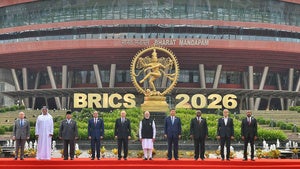 Geopolitics
Though internally divided, the grouping normalizes an international landscape where the United States is not at the table.
 US Foreign Policy
The forum combines middle powers ambition with great power access. But the US presidency promises a narrow agenda and unpredictable leadership.
 Global Economy
Even before the Supreme Court’s decision to overturn most of US President Donald Trump’s tariffs, historic allies had begun actively exploring economic relationships with other nations.
 Global Politics
As the US pulls back from parts of its traditional role abroad, allies and middle powers are rethinking their relationships. Journalist Ishaan Tharoor explains what that could mean for the future of the international order.