"In the 20th century, nationalism was the driving force behind the two world wars that destroyed Europe," Distinguished Fellow Richard Longworth writes. "Now Trump wants to return it to its prewar domination of European politics."
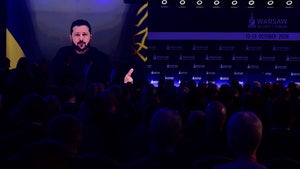
The Trump administration rejects the post-Cold War international order and sets out a new vision in its National Security Strategy. At the Doha Forum, world leaders reckoned with its impact on long-standing alliances and its implications for war and peace.
Human Rights Day arrives as norms fade, and pressures such as inequality and disinformation are rising. Kenneth Roth explains what’s really at stake.
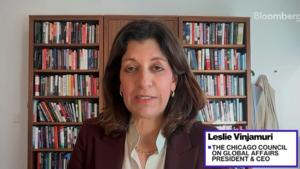
"The National Security Strategy would suggest [Trump's] not about to come to the primary defense of Ukraine, that he thinks this is clearly Europe's role and Ukraine's role, and there needs to be compromise," Council President and CEO Leslie Vinjamuri says.
"US allies have no choice but to shift their long-term strategies to reduce their dependence on Washington," Nonresident Senior Fellow Paul Poast and Robert E. Kelly write.
The Trump administration’s national security strategy calls for US dominance. But in embracing a G20 agenda of multilateralism, the United States could affirm its role as a world leader—and elevate its ability to set the terms.
Former Deputy Secretary of Defense Kathleen Hicks lays out how the United States is trying to stay ahead as new technologies and global threats reshape modern warfare.
"Russia is not prepared to make real concessions, and the middle ground that we really need between Ukraine and Russia right now seems further away than ever," Distinguished Nonresident Fellow Julianne Smith says.