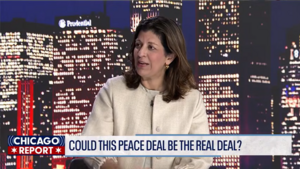
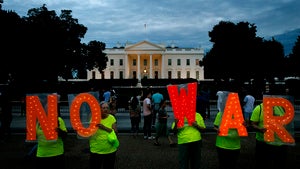
"I think all parties would like to see some regular traffic through the strait," Council President and CEO Leslie Vinjamuri says. "The problem is that even if we get there, Iran is still going to have this . . . this incredible tool that it can play."
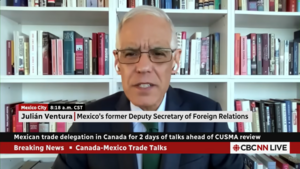
"It's an important sign of political commitment to follow through with the Canada-Mexico Action Plan . . . to take meaningful steps to growing the bilateral economic relationship," says Council Distinguished Nonresident Fellow Julián Ventura.
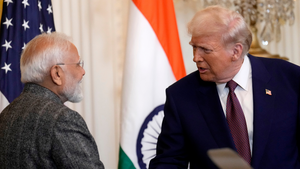
As Secretary Rubio heads to India, the Indo-Pacific is on edge as US priorities shift, and the Quad is being tested. Derek Grossman explains what’s at stake.
The contest to succeed António Guterres is underway. As candidates put forward their visions, the more pressing question is what kind of leader the moment demands.
The Iran war may have been the catalyst, but the UAE’s decision to leave the oil cartel is the culmination of years of geopolitical divergence with Saudi Arabia.
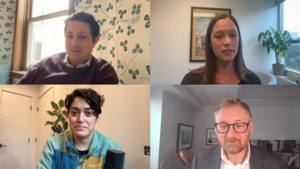
Ariane Tabatabai, the Council's vice president of research on security and defense and senior fellow on the Middle East, joins the podcast to talk through the week's biggest national security stories.
In a world filled with crisis, we rarely hear about what’s working. But some of the most useful solutions are coming from unexpected places. Journalist John Kampfner went looking for them.
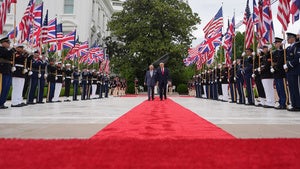
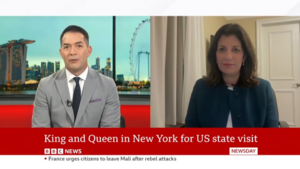
"It's a sign to the American people and to the British public that the relationship is about much more than President Trump and Prime Minister Starmer," Council President and CEO Leslie Vinjamuri tells BBC News.