Search Results
891 – 900 of 1,267 search results for China
-
 Reuters
Global Food Security Symposium 2010
The 2010 Global Food Security Symposium in Washington, DC reviewed the final report of the Global Agricultural Development Project. -
 Public Opinion Survey
21 Years after 9/11, Americans Are Less Concerned about Terrorism
September 7, 2022, RESEARCH Public Opinion Survey by Dina Smeltz and Emily Sullivan, Download Topline (PDF), In 2002, nine in 10 Americans saw international terrorism as a critical threat. About six in 10 do today, Council polling shows., Key Findings, Nearly six in 10 Americans (58%) classify in...
-
 Public Opinion SurveyReuters
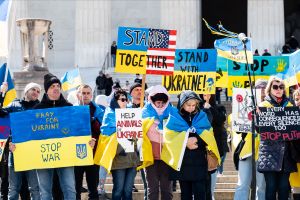
Americans Support Ukraine "As Long As It Takes"
August 18, 2022, RESEARCH Public Opinion Survey by Dina Smeltz and Emily Sullivan, Reuters, Download Report (PDF), Survey results show the public remains supportive of US assistance to Ukraine—even if it means paying higher gas and food prices at home., The United States has committed more than...
-
 Roberto Catarinicchia
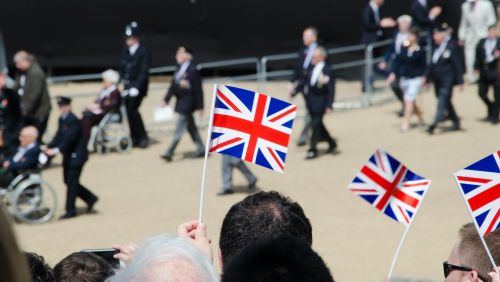
Is A Post-Brexit US-UK Free Trade Agreement Realistic?
With an extension on Brexit, we revisit the prospects of a future trade agreement between the United Kingdom and the United States.
-
 Markus Spiske
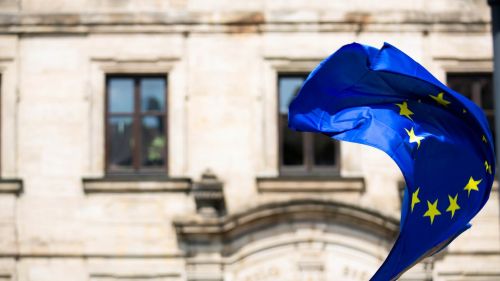
EU-Mercosur FTA: The Unheralded Trade Agreement with Big Implications
Overshadowed by global trade conflicts, the pending EU-Mercosur trade pact underlines the shifting global trade landscape away from a US-led international trade order.
-
 Reuters
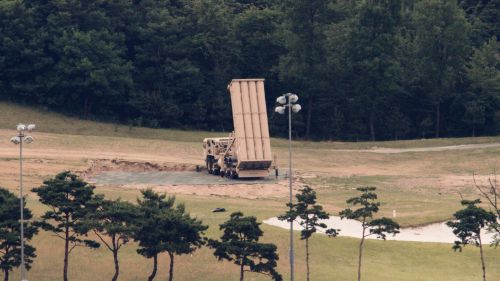
THAAD (Briefly) Enters the South Korean Presidential Debate
The South Korean public is split on a second THAAD battery, but the question wording left a lot to be desired.
-
 Reuters
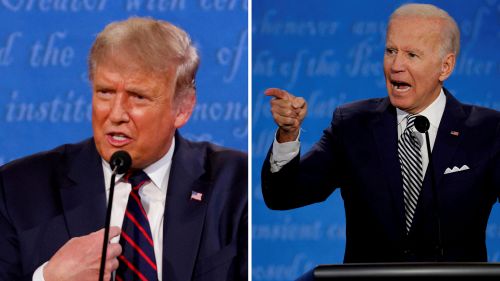
Americans' Views on Key Debate Issues: COVID-19, Race, Election Interference, Economy
Dina Smeltz shares public opinion on the key topics that will be discussed at the first 2020 presidential debate.
-
Membership and Giving Circles
Supporters of the Council believe, as we do, that greater knowledge and engagement create a more open and promising world for all. Our members and donors help us make global affairs more accessible to more people.
-
Michael H. Moskow
Vice Chair and Distinguished Fellow, Global Economy, Chicago Council on Global Affairs PhoneExpertise
-
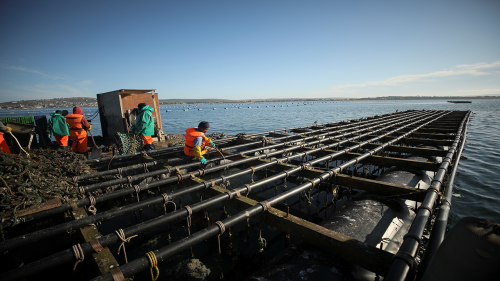
Wild Pigs, Lab Foie Gras, and Drought Reroute
Our weekly roundup of the week's top news and research in food, agriculture, and global development.