As the US pulls back from parts of its traditional role abroad, allies and middle powers are rethinking their relationships. Journalist Ishaan Tharoor explains what that could mean for the future of the international order.
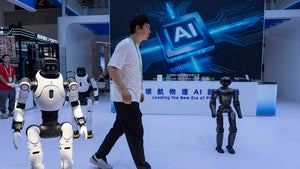
"To meet the moment, independent oversight of AI will have to be empowered, equipped, and intrusive, treading where tech leaders will be predictably reluctant to let it go," Council Lester Crown Senior Nonresident Fellow Suzanne Nossel writes.
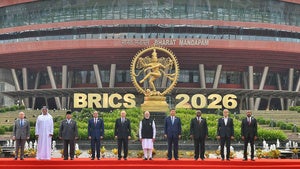
“India’s aspiration is to set it up as being not about the West but not opposed to the West," Council President and CEO Leslie Vinjamuri tells BBC Weekend.
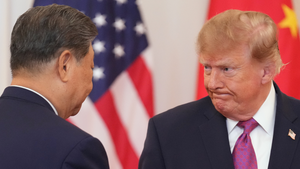
The US and China may not want a war, but could they end up in one anyway? International relations historian Odd Arne Westad explains why he sees echoes of the years before World War I and the “warning” they hold for today.
More people need humanitarian assistance as some of the world’s biggest donors scale back. Mercy Corps CEO Tjada McKenna explains why “the gap is not being plugged” and what could come next.
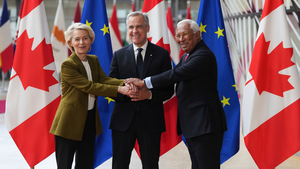
How can middle powers win without returning to globalization and the same old system? Council Distinguished Nonresident Fellow Ambassador Julianne Smith weighs in.
The world's biggest geopolitical battles aren't fought with military force alone. Edward Fishman explains how everything from shipping lanes to the US dollar has become a source of strategic power.