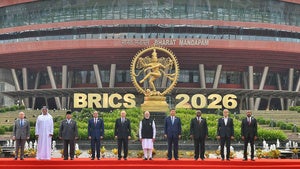
“India’s aspiration is to set it up as being not about the West but not opposed to the West," Council President and CEO Leslie Vinjamuri tells BBC Weekend.
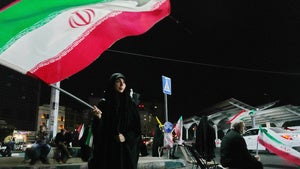
"The administration gutted the country’s institutions, and the United States is left trying to bargain for an outcome worse than the prewar status quo," Council Vice President of Research for Security and Defense Ariane Tabatabai and Julia Curlee write.
"Europe needs a public diplomacy campaign, and the target of that campaign needs to be the American public," Council President and CEO Leslie Vinjamuri says.
As the midterm elections approach, the Trump administration has realized its strategy isn’t working. Will economic measures succeed where military operations failed?
Council Distinguished Nonresident Fellow Ambassador Julianne Smith notes that the US should review its European force posture based on security needs—not allies’ political loyalty—to protect NATO, deter Russia, and preserve readiness.
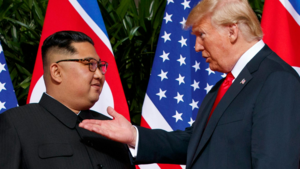
Vice President of Research for Geostrategy and Diplomacy Raymond Kuo asks, “If you’re not even willing to do an exercise with a country you’re formally allied to, are you going to show up when North Korea starts firing missiles at South Koreans?”
"A bargaining war turns on two quantities: what each side can threaten, and what each side can bear," Council Vice President of Research for Security and Defense Ariane Tabatabai and Lawfare's Julia Curlee write.
How can middle powers win without returning to globalization and the same old system? Council Distinguished Nonresident Fellow Ambassador Julianne Smith weighs in.