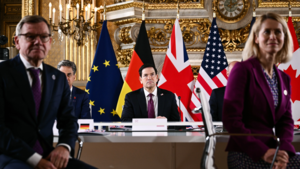
"The United States once had a vast network of allies and partners whose support it could count on in a crisis or war, but it might now find itself increasingly alone," write Ariane Tabatabai and John Drennan.
Could Europe's far right be gaining influence even as President Trump faces political setbacks at home? European Council on Foreign Relations director Mark Leonard explains why the backlash against liberalism may be bigger than any one leader or election.
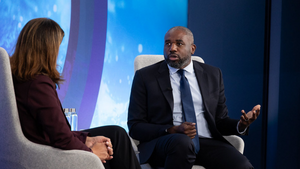
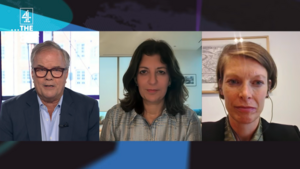
David Lammy says he told Keir Starmer he expected Donald Trump to win the 2024 election. In a live Deep Dish conversation, the former UK deputy prime minister and foreign secretary discusses navigating Trump's return, rebuilding ties with Europe, and Britain's changing role in the world.
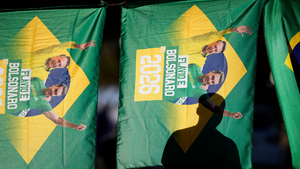
Brazilian journalist Patrícia Campos Mello says even a Trump-aligned government would find it difficult to pull Brazil away from China. So, how much could Brazil’s upcoming election actually change their place in the world?
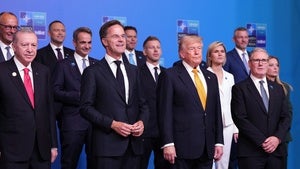
"At a moment when Europe is focused on persuading Donald Trump to remain committed to NATO, it needs to convince Americans, too," Council President and CEO Leslie Vinjamuri writes.
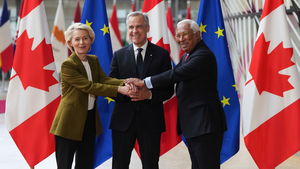
In this episode of the Fourcast, Leslie Vinjamuri joins to discuss what Canada’s closer ties with the EU could mean—from tighter trade and defense to what Mark Carney calls 'a beacon for other democracies.'
As the US pulls back from parts of its traditional role abroad, allies and middle powers are rethinking their relationships. Journalist Ishaan Tharoor explains what that could mean for the future of the international order.
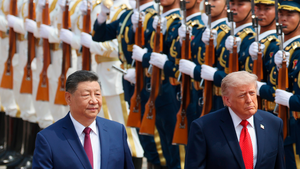
The US and China may not want a war, but could they end up in one anyway? International relations historian Odd Arne Westad explains why he sees echoes of the years before World War I and the “warning” they hold for today.
Reports that Xi will forgo addressing the United Nations General Assembly ahead of his meeting with Trump in Washington raise uncomfortable questions about the role of multilateral institutions under great power compacts.
The Council’s founders believed that the United States should have a positive vision for international engagement—and that the Midwest had a critical role to play.