Can the US and China Avoid the Mistakes of 1914?
 Play Podcast
About The Episode
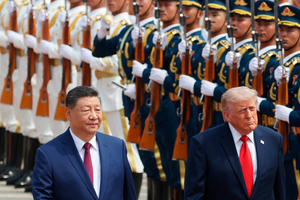
The US and China have plenty of reasons to avoid a war, but international relations historian Odd Arne Westad says the years before World War I show how quickly tensions between great powers can escalate. Westad joins Leslie Vinjamuri to discuss what could trigger a wider conflict, why economic ties may not be enough to prevent it, and what today’s leaders can learn from the mistakes of the past.
Key Takeaways
- Today’s tensions echo the world before 1914. Westad sees parallels in China’s rise and American unease over its relative decline, warning that an unexpected crisis could escalate beyond what leaders intend.
- Despite deep economic ties, countries can still go to war. The experience of 1914 challenges the assumption that economic costs will restrain leaders who believe core strategic interests are at stake.
- Beijing’s desire for economic stability has limits, particularly over Taiwan or a sudden collapse of North Korea’s regime. Understanding those potential triggers matters more than assuming China will always avoid confrontation.
- Westad argues that the wars in Iraq and Afghanistan diverted American attention from managing an emerging great-power order. With the Iran war, he sees Washington repeating that pattern.
- Preventing war depends on how leaders use the tools available to them. International institutions and America’s extensive alliances offer advantages unavailable before 1914, but their effectiveness requires leaders who prioritize stability over fear and resentment.
Watch the Video


Related Content
 Global Politics
Reports that Xi will forgo addressing the United Nations General Assembly ahead of his meeting with Trump in Washington raise uncomfortable questions about the role of multilateral institutions under great power compacts.
 US Foreign Policy
As the midterm elections approach, the Trump administration has realized its strategy isn’t working. Will economic measures succeed where military operations failed?
 Geopolitics
The conflict offers lessons for how to bolster European security with less support from the United States.
 US Foreign Policy
As America turns 250, its allies are asking new questions about US leadership. Mark Urban discusses what's changing, what comes next, and what it means for America's role in the world.