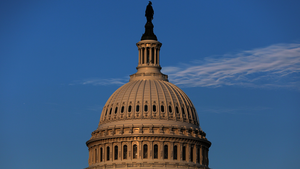
Journalist Steve Clemons predicts Democrats could benefit from a backlash to the war in Iran. But he warns that a Democratic Congress could lead to “several waves of constitutional crises.” What would that mean for Trump's foreign policy?
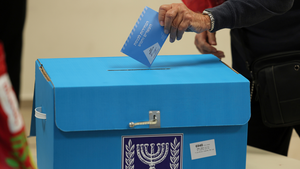
Israel is preparing for its first national election since the October 7 attacks. RAND's Shira Efron explains what's at stake and how the outcome could change Israel's approach to Gaza and the West Bank.
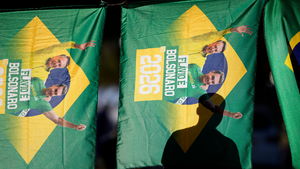
Brazilian journalist Patrícia Campos Mello says even a Trump-aligned government would find it difficult to pull Brazil away from China. So, how much could Brazil’s upcoming election actually change their place in the world?
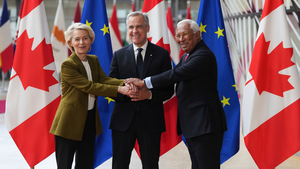
As the US pulls back from parts of its traditional role abroad, allies and middle powers are rethinking their relationships. Journalist Ishaan Tharoor explains what that could mean for the future of the international order.
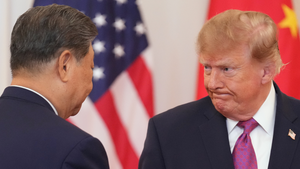
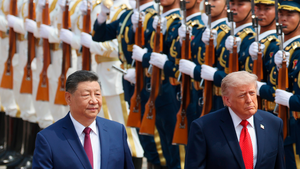
The US and China may not want a war, but could they end up in one anyway? International relations historian Odd Arne Westad explains why he sees echoes of the years before World War I and the “warning” they hold for today.
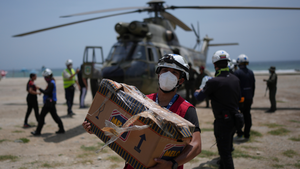
More people need humanitarian assistance as some of the world’s biggest donors scale back. Mercy Corps CEO Tjada McKenna explains why “the gap is not being plugged” and what could come next.
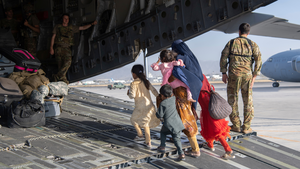
America’s war in Afghanistan may have ended, but its consequences still remain. Ambassador Ryan Crocker unpacks what the US withdrawal told allies and adversaries about American power.
The world's biggest geopolitical battles aren't fought with military force alone. Edward Fishman explains how everything from shipping lanes to the US dollar has become a source of strategic power.
Britain's new prime minister inherits an economy that has struggled to grow for years, with less room to maneuver in an increasingly competitive world. Financial Times columnist Gillian Tett explains what's holding Britain back and what it will take to get growth moving again.