Search Results
1 – 10 of 510 search results for Democracy
-
Democracy
Related events, research, commentary, and analysis on the topic of democracy from the Council.
-
 Ana Miyares Photography
Democracy in the Age of Quantum + AI
Dina Smeltz, Kate Weber, and Ethan Bueno de Mesquita discuss how Americans view quantum and AI, and what it means for democracy. -
 Ana Miyares Photography
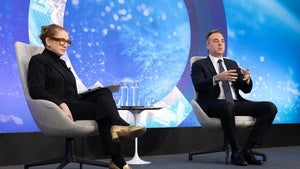
The Rise of Illiberal Democracy: Lessons from Hungary
David Pressman and Suzanne Nossel discuss Hungary's descent from democracy into illiberalism. -
 Public Opinion SurveyJulia Demaree Nikhinson / AP
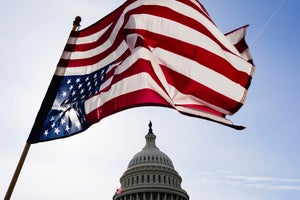
Americans Fear Weakening Democracy in the United States
November 20, 2025, RESEARCH Public Opinion Survey by Lama El Baz and Debi Jin, Julia Demaree Nikhinson / AP, Download Report (PDF), While Democrats have grown more concerned than ever about weakening democracy at home, Republican worries have sharply declined., In recent years, the combination of...
-
 Ana Miyares Photography
Democracy under Threat: Global Challenges and Lessons
Leading experts explore how democracies can fight back against authoritarian threats and build resilience. -
 Ana Miyares Photography
Democracy in Exile: A Conversation with Belarus's Opposition Leader
Belarusian opposition leader Sviatlana Tsikhanouskaya discusses the country’s struggle for democracy. -
 Reuters
Summit For Democracy - What's Next?
As President Biden convened the Summit for Democracy, a panel of experts considered the challenges facing political freedom around the world—and how democracies can fight back. -
 Public Opinion SurveyJacquelyn Martin / AP
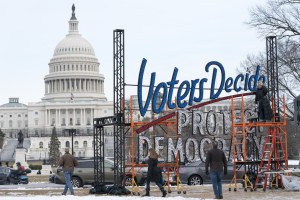
Americans Say Weakening Democracy Is the Most Critical Threat to the United States
October 21, 2024, RESEARCH Public Opinion Survey by Lama El Baz, Jacquelyn Martin / AP, Download Report (PDF), More than half also say the decline of democracies around the world, foreign interference in American elections, and the conflict in the Middle East pose critical threats to vital US int...
-
 Reuters
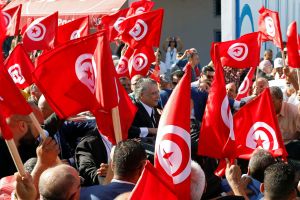
Why Tunisia Is the Epicenter of Arab Democracy
Sarah Yerkes and Gordon Gray join Deep Dish to discuss why Tunisia is the epicenter of Arab Democracy.
-
 Czarek Sokolowski / AP
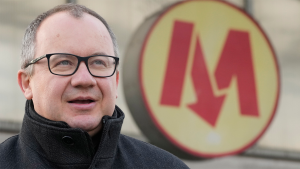
Fixing a Broken Democracy: Lessons from Poland
Join us for a live stream discussion with Poland’s Minister of Justice Adam Bodnar on safeguarding democratic institutions and maintaining an independent judiciary.