"This is an intervention, a war, a conflict that the US began," says Council Distinguished Nonresident Fellow Ambassador Julianne Smith. "It did not take any information about this intervention to the NATO allies to warn them that there could be asks coming from the United States."
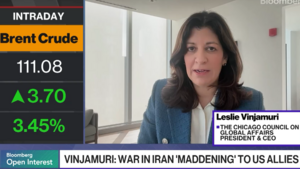
"This is a very deeply unpopular war," Council President and CEO Leslie Vinjamuri says of the widening Iran conflict. "If we see boots on the ground, if we see high-risk operations undertaken, I think that will really galvanize Congress and the American public."
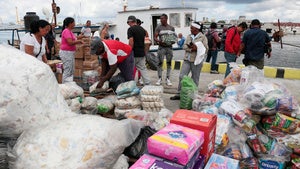
The global response to Cuba’s worsening humanitarian plight reveals a growing divide over whether limiting access to food and energy is an acceptable form of leverage or if there is a shared international responsibility for humanitarian intervention.
"A foreign policy of abundance should make US economic strength and broad-based prosperity its first order of business, banking that bounty and stability at home are prerequisites for the United States to thrive in the world," Council Lester Crown Senior Nonresident Fellow Suzanne Nossel writes.
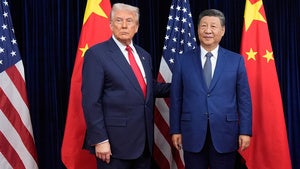
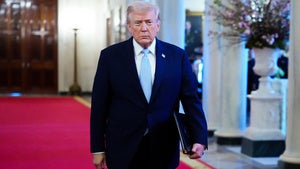
"Military morale, alliances, and Washington’s global standing are all at stake in how Trump navigates the bind," Council Lester Crown Senior Nonresident Fellow Suzanne Nossel writes.
"Europe is clearly not happy. It's not a war that they were consulted about. It's not a war that they've chosen," says Council President and CEO Leslie Vinjamuri.
"Taking negotiations public is like setting sail in a squall: You’re betting you can harness the popular and geopolitical winds to make way, rather than get blown off course," Council Lester Crown Senior Nonresident Fellow Suzanne Nossel writes.