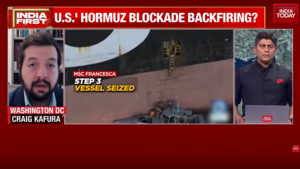
Director of Public Opinion and Foreign Policy Craig Kafura joins India Today to discuss the ongoing tensions between the US and Iran in the Strait of Hormuz.
"Everybody's incentive is for this to end," Council President & CEO Leslie Vinjamuri tells Times News. "But clearly both Iran and the leadership of the United States, President Trump, want to be able to frame this as a win—and they're struggling to see how they can do that right now."
"Bushehr—the nuclear power plant—is closer to Doha and Dubai than it is to Tehran," says Council Lester Crown Senior Nonresident Fellow Rachel Bronson. "Our allies would be at risk . . . should there be a leak."
"Much of what has occurred over the last month was forecasted in scenarios that have been tested and re-tested for decades," Council Vice President of Research and Senior Fellow Ariane Tabatabai and Elisa Ewers write.
"While everyone welcomes a cessation of hostilities, Trump’s half-baked approach to peacemaking may well be a recipe for more war in the Middle East," Council Senior Nonresident Fellow Suzanne Nossel writes in a new piece for Foreign Policy.
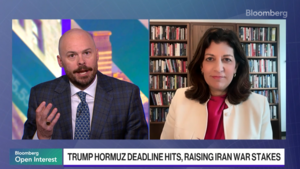
The US blockade of Iran's coastline raises concerns about a potential confrontation with China and others who have managed to get ships through the Strait of Hormuz, Council President and CEO Leslie Vinjamuri tells Bloomberg. "This is very unchartered territory."
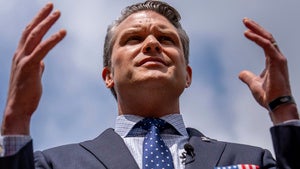
US Defense Secretary Pete Hegseth’s deployment of religious rhetoric in the Iran war has come under increased scrutiny. What happens when the line between political conflict and religious warfare blurs?