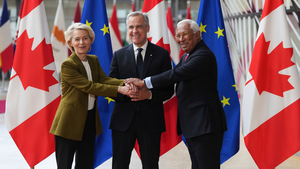
In this episode of the Fourcast, Leslie Vinjamuri joins to discuss what Canada’s closer ties with the EU could mean—from tighter trade and defense to what Mark Carney calls 'a beacon for other democracies.'
As the US pulls back from parts of its traditional role abroad, allies and middle powers are rethinking their relationships. Journalist Ishaan Tharoor explains what that could mean for the future of the international order.
"To meet the moment, independent oversight of AI will have to be empowered, equipped, and intrusive, treading where tech leaders will be predictably reluctant to let it go," Council Lester Crown Senior Nonresident Fellow Suzanne Nossel writes.
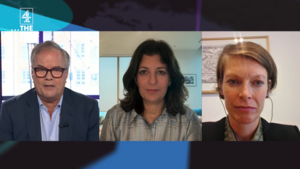
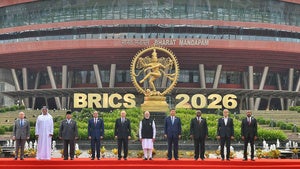
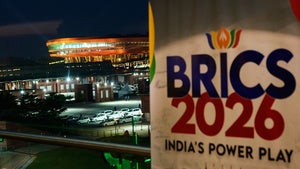
“India’s aspiration is to set it up as being not about the West but not opposed to the West," Council President and CEO Leslie Vinjamuri tells BBC Weekend.
The US and China may not want a war, but could they end up in one anyway? International relations historian Odd Arne Westad explains why he sees echoes of the years before World War I and the “warning” they hold for today.
"The administration gutted the country’s institutions, and the United States is left trying to bargain for an outcome worse than the prewar status quo," Council Vice President of Research for Security and Defense Ariane Tabatabai and Julia Curlee write.
"Europe needs a public diplomacy campaign, and the target of that campaign needs to be the American public," Council President and CEO Leslie Vinjamuri says.
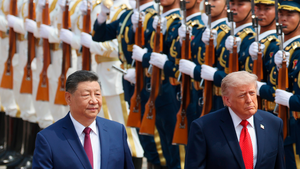
Reports that Xi will forgo addressing the United Nations General Assembly ahead of his meeting with Trump in Washington raise uncomfortable questions about the role of multilateral institutions under great power compacts.