The US has spent decades using economic weapons against its adversaries. Now China, Iran, and even the European Union are adopting similar tactics. Could America be fueling a global economic arms race? Georgetown professor Abraham Newman explains.
Journalist Steve Clemons predicts Democrats could benefit from a backlash to the war in Iran. But he warns that a Democratic Congress could lead to “several waves of constitutional crises.” What would that mean for Trump's foreign policy?
"Civic pluralism offers an entry point to repair relationships, restore credibility, and demonstrate Washington’s readiness to help the world tackle common challenges," Council Lester Crown Senior Nonresident Fellow Suzanne Nossel writes in Foreign Policy.
As the US pulls back from parts of its traditional role abroad, allies and middle powers are rethinking their relationships. Journalist Ishaan Tharoor explains what that could mean for the future of the international order.
"To meet the moment, independent oversight of AI will have to be empowered, equipped, and intrusive, treading where tech leaders will be predictably reluctant to let it go," Council Lester Crown Senior Nonresident Fellow Suzanne Nossel writes.
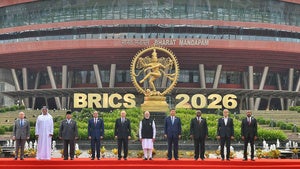
“India’s aspiration is to set it up as being not about the West but not opposed to the West," Council President and CEO Leslie Vinjamuri tells BBC Weekend.
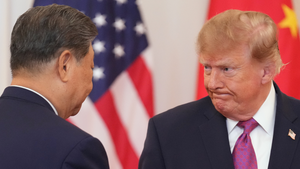
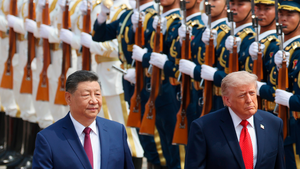
The US and China may not want a war, but could they end up in one anyway? International relations historian Odd Arne Westad explains why he sees echoes of the years before World War I and the “warning” they hold for today.