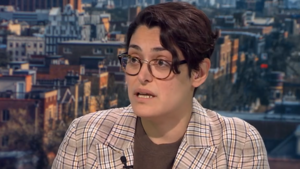
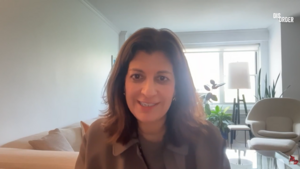
Ariane Tabatabai, the Council's vice president of research for security and defense, joins Chicago Tonight to discuss the latest on the war, Iran's nuclear program, and more.
The Council's America at 250 Global Forum will convene high-level policymakers, world-class scholars and experts, business leaders, and influential thought leaders to reflect on the nation's past and inform its future.
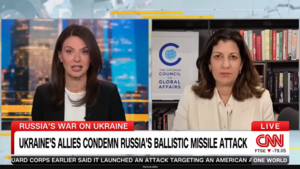
"Momentum should be on Ukraine's side, if only Europe and the United States could collaborate effectively to really take advantage of this moment," Council President and CEO Leslie Vinjamuri tells CNN International.
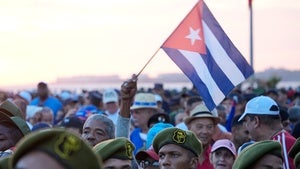
"It’s hard for politicians to look past the next election," Council Senior Nonresident Fellow Cécile Shea tells Today, Explained. "But we should also be thinking about what kind of relationship we want with Cuba 15 years from now."
"This war has allowed Iran to test its strategy and operational capabilities, giving the regime an opportunity to adjust them to strengthen its resistance capacity," Ariane Tabatabai, Council senior fellow on the Middle East, and Madison Rinder write.
"The picture that is being painted . . . is one where the United States is giving a lot more to Iran and is receiving a lot less in return," Ariane Tabatabai, Council senior fellow on the Middle East, tells NPR.
President Trump brought some of America’s biggest tech CEOs to Beijing for a summit with Xi Jinping. What does it mean for the race over AI power? Council on Foreign Relations’ Chris McGuire explains.
"There is a lesson that keeps arriving in new and more violent forms: Energy security is national security," writes Council Lester Crown Senior Nonresident Fellow Rachel Bronson.