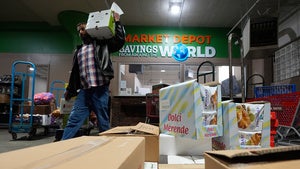
Trade helps governments manage food prices in the near term, while growth in agricultural productivity ensures food is plentiful and affordable in the future.
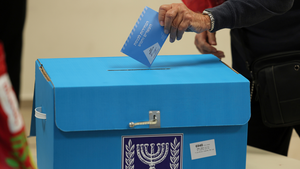
Israel is preparing for its first national election since the October 7 attacks. RAND's Shira Efron explains what's at stake and how the outcome could change Israel's approach to Gaza and the West Bank.
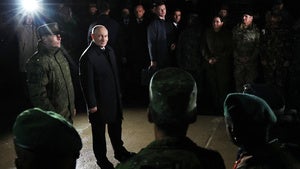
"As long as each provocation costs Moscow nothing more than a downed drone, Putin has every reason to keep escalating," Council Distinguished Nonresident Fellow in Defense and Security Julianne Smith writes.
Alexander Kazakov, Sputnik, Kremlin Pool Photo via AP
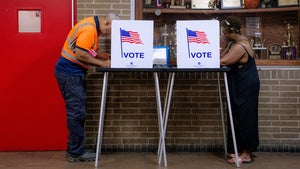
“People are making the connection between a foreign policy issue and their personal financial well-being more than at any time I’ve seen in the last 15 years," Council Managing Director and Chair of Public Opinion and Foreign Policy Dina Smeltz tells The Christian Science Monitor.
"Civic pluralism offers an entry point to repair relationships, restore credibility, and demonstrate Washington’s readiness to help the world tackle common challenges," Council Lester Crown Senior Nonresident Fellow Suzanne Nossel writes in Foreign Policy.
Brazilian journalist Patrícia Campos Mello says even a Trump-aligned government would find it difficult to pull Brazil away from China. So, how much could Brazil’s upcoming election actually change their place in the world?
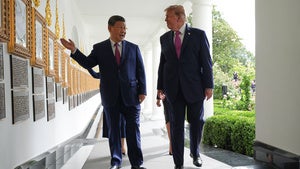
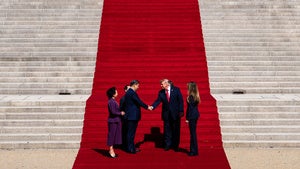
Prospects for positive breakthroughs and stabilization of the US-China relationship will remain limited as long as the two sides are focused more on maneuvering for advantage than on working to define the concept.