The US has spent decades using economic weapons against its adversaries. Now China, Iran, and even the European Union are adopting similar tactics. Could America be fueling a global economic arms race? Georgetown professor Abraham Newman explains.
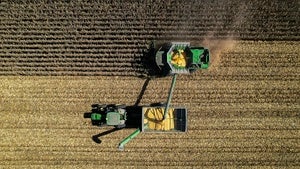
Experts examine how conflict, trade, AI, and declining agricultural research investment are reshaping global food systems, and what it means for the Midwest and the world.
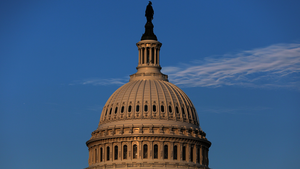
Journalist Steve Clemons predicts Democrats could benefit from a backlash to the war in Iran. But he warns that a Democratic Congress could lead to “several waves of constitutional crises.” What would that mean for Trump's foreign policy?