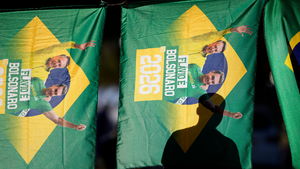
Brazilian journalist Patrícia Campos Mello says even a Trump-aligned government would find it difficult to pull Brazil away from China. So, how much could Brazil’s upcoming election actually change their place in the world?
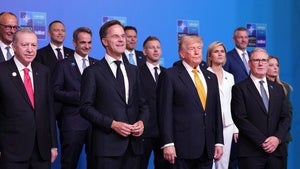
"At a moment when Europe is focused on persuading Donald Trump to remain committed to NATO, it needs to convince Americans, too," Council President and CEO Leslie Vinjamuri writes.
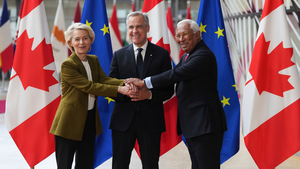
In this episode of the Fourcast, Leslie Vinjamuri joins to discuss what Canada’s closer ties with the EU could mean—from tighter trade and defense to what Mark Carney calls 'a beacon for other democracies.'
As the US pulls back from parts of its traditional role abroad, allies and middle powers are rethinking their relationships. Journalist Ishaan Tharoor explains what that could mean for the future of the international order.
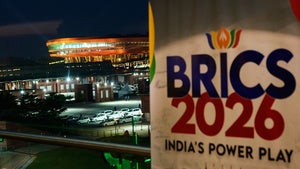
“India’s aspiration is to set it up as being not about the West but not opposed to the West," Council President and CEO Leslie Vinjamuri tells BBC Weekend.
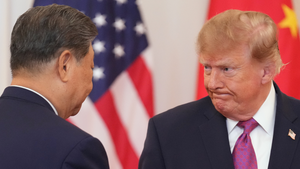
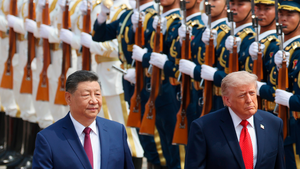
The US and China may not want a war, but could they end up in one anyway? International relations historian Odd Arne Westad explains why he sees echoes of the years before World War I and the “warning” they hold for today.
"Europe needs a public diplomacy campaign, and the target of that campaign needs to be the American public," Council President and CEO Leslie Vinjamuri says.
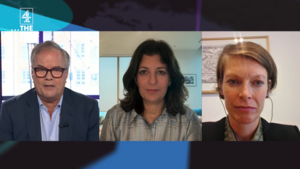
In another bid to force Iran to succumb to his will, Trump has launched Operation Economic Outcast against Iran—but is it America that is becoming the international pariah? Council President and CEO Leslie Vinjamuri joins the discussion.