Analysis of the Rural Household Multiple Indicator Survey and how it can make development-related actions more efficient, more effective, and quicker to deploy.
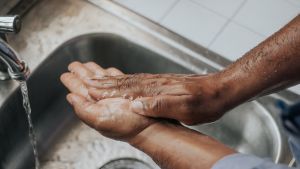
During a pandemic outbreak, washing our hands is integral in stopping the spread. However, in many parts of Africa and elsewhere in the developing world, properly washing hands is a luxury—as is soap.
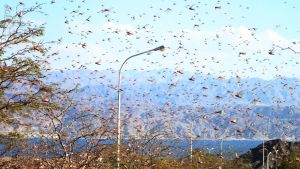
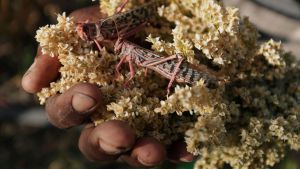
Tens of millions of people in East Africa, the Horn, and up through the Middle East are facing the prospect of extreme hunger as a plague of locusts spreads in the region.
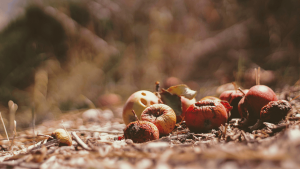
Reducing postharvest losses by half would result in enough food to feed a billion people, increase smallholder income levels and minimize pressure on natural resources.
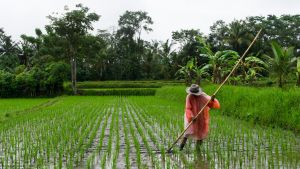
How can we achieve food and nutritional security in ways that also enhance rural livelihoods, reduce environmental degradation, and boost agriculture’s resilience?
A growing body of research shows that resilience in itself may only be part of a of greater opportunity when the risk of weather-related disasters is what holds people back.